 As we enter the busiest season of the year, we can all feel frazzled and stress. Here are a few of our best tips to ensure that if you can’t at least have a hassle-free winter holiday season, that it’s at least a bit more manageable.
Holiday Shopping
If you have left your holiday shopping to the last minute and can’t get your orders via online shopping to be shipped on time, make sure you get to the stores as soon as they open. This way, you’ll avoid not being able to find a parking spot, long line-ups, or hurried customer service.
If you want to save money and get a head start for next year, do your shopping for holiday essentials like decorations, cards and hosting resources during the boxing day period. This way, you’ll save yourself the time for these tasks next year and get up to 70% off the retail price.
Holiday Meals and Parties
One of the best times to have a holiday day party is after the holidays! While your furnished apartment rental in Toronto is in tip-top shape, invite your friends over when the chaos of the holiday or Christmas season is over. January is usually a time when everyone is in hibernation, so this is a good time to catch up wtih friends and loved ones for a casual and relaxing soiree. Check to see if your condominium building offers a party room with more space and cooking facilities.
Plan and prepare in advance. Though you may not be able prepare the main courses for your Christmas or Hanukkah meal in advance, there are certain things you can do. For instance, you could make your desserts –such as pies and cakes–a few days or weeks before the big meal and freeze them. Somes sides or meal preparation can be done two days before and then frozen. This is also a good time to take stock of your fridge and make room for all of the leftovers to come!
When grocery shopping, make sure to get extras of some of the items you are buying, either for unanticipated guests or for leftovers, just in case. This way, you don’t have to make a second, unnecessary trip to the store.
Gifts
Timeless gifts like a bottle of wine or a candle are great hostess gifts if you are attending a holiday or Christmas party.
If you are on a budget this holiday season, consider a gift exchange for a certain amount of money with extended family or co-workers. A secret santa exchange adds a bit of mystery to the holiday gift process. It’s always fun to receive a surprise!
Holiday Travel
Whether you are traveling for the holidays with family or friends, it’s important to be flexible on your dates. This way, you can avoid increased costs for popular times to  travel and hopefully, avoid inevitable delays around this period.
Prepare for your flight to be delayed or cancelled due to unpredictable weather. Make sure you are patient during these times and bring plenty of things to be distracted during this period.
Miscellaneous
Good Housekeeping has a great article on how to keep your Christmas Tree fresh.
At this time of the year, it is important to remember those who are less fortunate than us. It is a great time to give back, whether it is to donate to the local Food bank or to volunteer within the community, even for a few hours.
The holidays are a busy period for all of us. Hopefully, these tips will ensure you have a hassle-free winter holiday in your extended stay in Toronto or wherever you may be this holiday season.
What are your favourite tips and tricks for making sure you have a happy and cheerful winter or Christmas holiday?
Happy holidays from DelSuites!
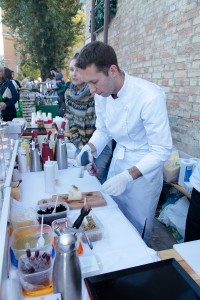 In the past couple of years, Toronto has become a destination for food and drink enthusiasts. In addition to the number of innovative and ethnic offerings available (not to mention those
 Some Torontonians joke that many of the buildings in Toronto look like they are from the 1970s and it’s because they were. Toronto in the 1970s was one that set up its future, now a construction boom of modern glass and steel buildings.